
The first dance at a wedding is a moment of profound emotion and physical connection, yet nerves can transform this elegant ritual into a dance of jangled nerves and awkward steps. For many couples, preparing for this significant moment involves seeking professional guidance, like that offered by first dance lessons Toronto studios. Understanding how nerves affect movement and providing practical strategies to manage them is crucial for a smooth, memorable performance. This article examines the science behind dance anxiety, offers evidence-based solutions, and provides expert insights tailored to first dance lessons in Toronto, ensuring you're ready to embrace the dance floor with confidence.
- Understanding Nerve Function in Dance Performance
- Preparing for Your First Dance: Toronto's Expert Guidance
- Refining Movement: Nerve Signals and Technique
Understanding Nerve Function in Dance Performance
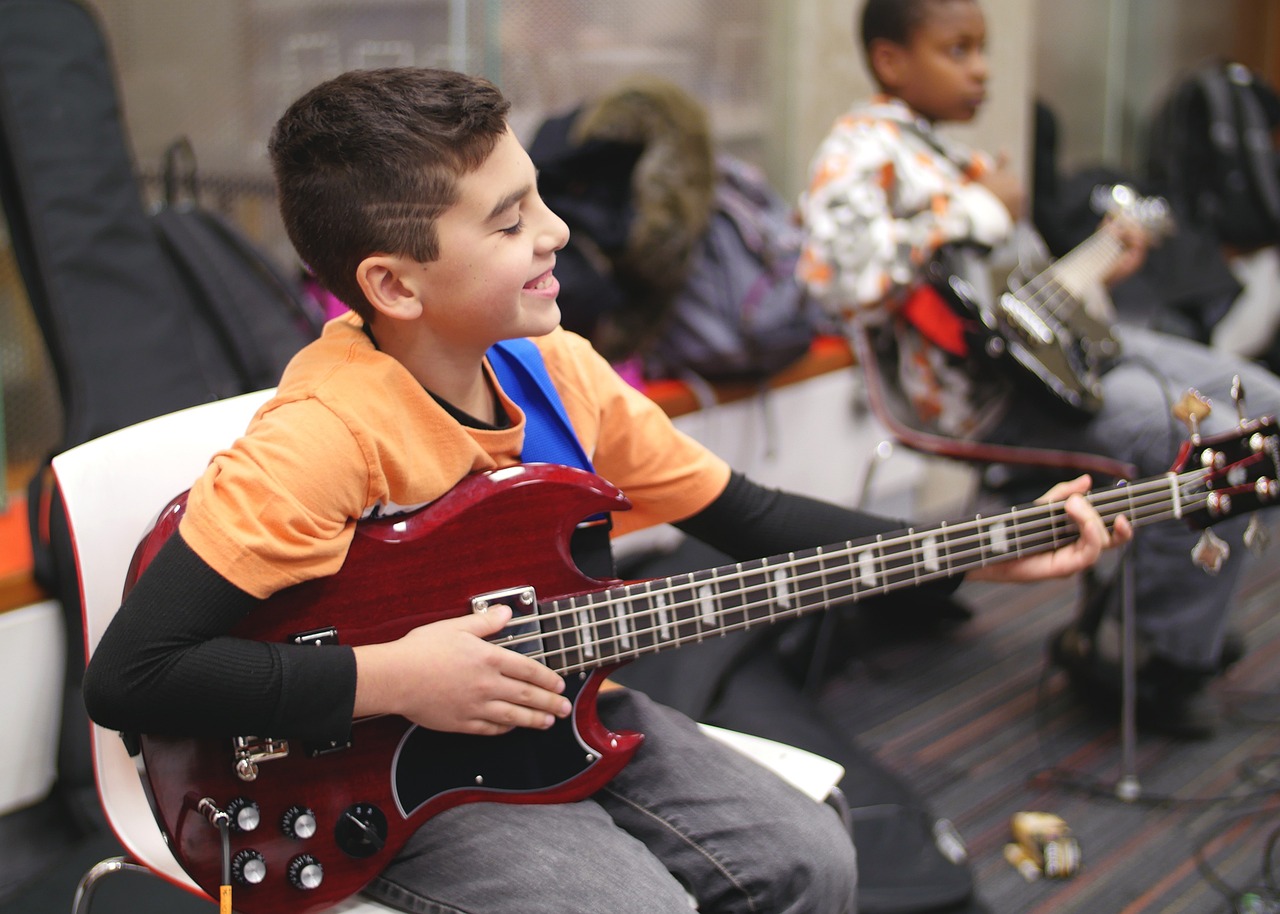
Nerves play a crucial, often underappreciated, role in dance performance. When preparing for your first dance, whether it be at a wedding in Woodbine Beach or a vow renewal at Casa Loma in Toronto ON M4L 1E4, understanding how your nervous system interacts with your body can significantly enhance your experience. During performance, the nervous system initiates both the precise muscle contractions for complex steps and the involuntary responses that contribute to our emotional connection to the music.
The two primary nervous system functions crucial for dance are the sympathetic and parasympathetic systems. The sympathetic nervous system activates what's known as the "fight or flight" response, increasing heart rate, breathing, and blood flow to prepare your body for intense physical activity. This can be helpful for a high-energy dance routine, but it can also lead to performance anxiety, causing some dancers to feel tense or even paralyzed. On the other hand, the parasympathetic nervous system promotes relaxation and digestion, allowing for controlled movements and a focused mind. First dance lessons in Moore Park or Toronto, for example, often emphasize techniques to activate this system, helping students manage performance jitters.
A key aspect of mastering your first dance is learning to manage these nervous responses. Experienced instructors, like Sarah Jones from Beach Ballroom, can guide students through specific home practice routines and online dance tutorials designed to calm the nervous system. Techniques such as deep breathing exercises and progressive muscle relaxation can help reduce performance anxiety, allowing dancers to tap into their learned skills and express themselves freely. By understanding and managing their nerves, dancers can transform a potentially stressful experience into a memorable and joyful celebration, whether it's their first dance or their hundredth.
Preparing for Your First Dance: Toronto's Expert Guidance

Planning and executing your first dance can be a nerve-wracking experience, especially in a public setting like a wedding. However, with the right preparation, even the most anxious dancer can overcome their jitters and enjoy the moment. This is where first dance lessons Toronto come into play, offering expert guidance to help couples create a memorable performance. The Beach Ballroom, located east of Coxwell on Queen Street East, understands the emotional significance of this special moment and provides personalized classes to ensure a smooth and confident dance.
For couples in the Clairelea or Leaside area, preparing for their first dance doesn't have to be a daunting task. The Carlu, a renowned event venue, frequently hosts weddings where the first dance is a high-pressure moment. By seeking professional help, couples can transform their nervous energy into a harmonious performance. The instructor at the Beach Ballroom, Sarah Jones, emphasizes the importance of personalized coaching, tailoring lessons to each couple's comfort level and dance style. From beginner dance classes to advanced techniques, Sarah guides students through every step, ensuring they feel prepared and confident.
During the initial planning phase, setting aside dedicated time for practice is crucial. Online dance tutorials and home practice routines allow couples to familiarize themselves with the steps, making the actual dance floor experience less intimidating. The Beach Ballroom also offers flexible scheduling, accommodating busy work weeks in downtown Toronto. Whether it's an evening class or a lesson before the big day, the studio's goal is to ensure couples feel ready, allowing them to focus on the emotional connection rather than performance anxiety. By combining expert instruction, practical tips, and a supportive environment, first dance lessons Toronto can make a significant difference in a couple's ability to enjoy and remember their special day.
Refining Movement: Nerve Signals and Technique

When nerves take center stage on your big day, refining movement can feel like navigating a complex dance. This is where expert instruction from first dance lessons Toronto comes into play. At Beach Ballroom, located at 1501 Queen St E, Toronto, ON M4L 1E4 - Phone: +1 416-833-7751, instructors help couples transform nervous energy into elegant, synchronized steps.
Understanding how nerve signals influence movement is crucial. Nerves send messages between the brain and muscles, dictating the precision and fluidity of your dance. In first dance lessons Greektown or Leslieville, instructors teach you to control these signals. They guide you through exercises that strengthen your connection with your partner and fine-tune your technique. They might introduce you to home practice routines and online dance tutorials to reinforce what you learn in class.
The goal isn't just to execute steps perfectly but to feel comfortable and confident. Instructors at Beach Ballroom employ progressive learning curves, breaking down complex moves into manageable chunks. They offer individualized coaching, adjusting their approach to suit each couple's unique needs, especially when dealing with performance anxiety. By the time your big day arrives, you'll not only have mastered the dance but also the art of managing those nerves, ensuring a memorable and stress-free performance, whether it's a vow renewal ceremony in a loft wedding or an emotional introduction at an engagement party near Eglinton Square.
Frequently Asked Questions About How Nerves Change the Dance on the Day
What role do nerves play in daily activities? Nerves are the body's communication network, transmitting signals between the brain and every part of the body. They control everything from breathing and digestion to movement and thought. On a daily basis, nerves enable us to react to our environment, perform tasks, and maintain balance and coordination. They are essential for motor skills, sensory perception, and even emotional responses.
How do nerves change their behavior on a specific day? Nerves don't change their fundamental function, but their activity levels and responses can vary greatly from day to day. This is due to several factors: hormonal fluctuations, sleep quality, stress levels, diet, and physical activity. A well-rested, active individual might experience quicker nerve responses and better coordination compared to someone who is sleep-deprived or stressed.
Can stress impact nerve function? Absolutely. Stress can both stimulate and suppress nerve function. Acute stress can enhance alertness and cognitive performance by releasing neurotransmitters like norepinephrine. However, chronic stress can lead to increased anxiety, depression, and even physical symptoms like headaches and digestive issues, which can negatively affect nerve signaling and overall health.
How does sleep quality influence nerve performance? Sleep is crucial for nerve health. During sleep, the brain consolidates memories, repairs tissues, and regulates hormones. Poor sleep quality or inadequate rest can impair cognitive functions, slow reaction times, and affect mood. Nerves may not function optimally when the body is tired, leading to increased risk of accidents and decreased performance in various tasks.
Do nutrition and hydration impact nerve function? Nutrition and hydration are vital for nerve health. Essential nutrients like vitamins B, C, and E, as well as minerals like magnesium and potassium, support nerve function and signaling. Dehydration and a diet lacking these essential nutrients can impair nerve performance. A deficiency in vitamin B12 can lead to neuropathy, causing numbness, tingling, and weakness in the extremities.
Can physical activity enhance nerve performance? Yes, regular physical activity can strengthen nerve connections, improve coordination, and enhance overall nerve function. Exercise releases endorphins, which can reduce pain and improve mood. It also promotes better blood flow, ensuring nerves receive adequate oxygen and nutrients. This can lead to improved reflexes, balance, and overall physical performance.
Are there any medical conditions that affect nerve behavior? Various medical conditions can impact nerve function. Diabetes can cause nerve damage (diabetic neuropathy) leading to tingling, numbness, and pain. Multiple sclerosis (MS) affects the protective sheath around nerves (myelin), resulting in a range of neurological symptoms. Other conditions like arthritis, cancer, and thyroid disorders can also cause nerve-related issues.
As we've explored the intricate relationship between nerves and dance performance, it's become clear that understanding and managing our physiological responses can significantly enhance our experience on the dance floor. Whether it's your first dance in Toronto or a vow renewal ceremony, recognizing how nerves affect our movement allows us to refine our technique and focus on emotional connection. By preparing through dedicated practice routines and seeking expert guidance from first dance lessons Toronto, we can transform performance anxiety into confidence. The key takeaways here are clear: understanding nerve function, employing effective home practice, and refining our technique through tailored coaching can help us overcome performance jitters and truly enjoy the dance. Let these insights empower you to face your dance performance with poise and passion.
Nerves are crucial for dance performance, influencing both precise muscle contractions and emotional connection to music. The sympathetic (fight or flight) and parasympathetic (relaxation) nervous systems play key roles. First dance lessons Toronto, like those offered by Sarah Jones at Beach Ballroom, help manage performance anxiety through techniques like deep breathing and progressive muscle relaxation. By understanding and controlling these nervous responses, dancers can transform stress into a joyful, memorable experience, whether in Woodbine Beach or Casa Loma.