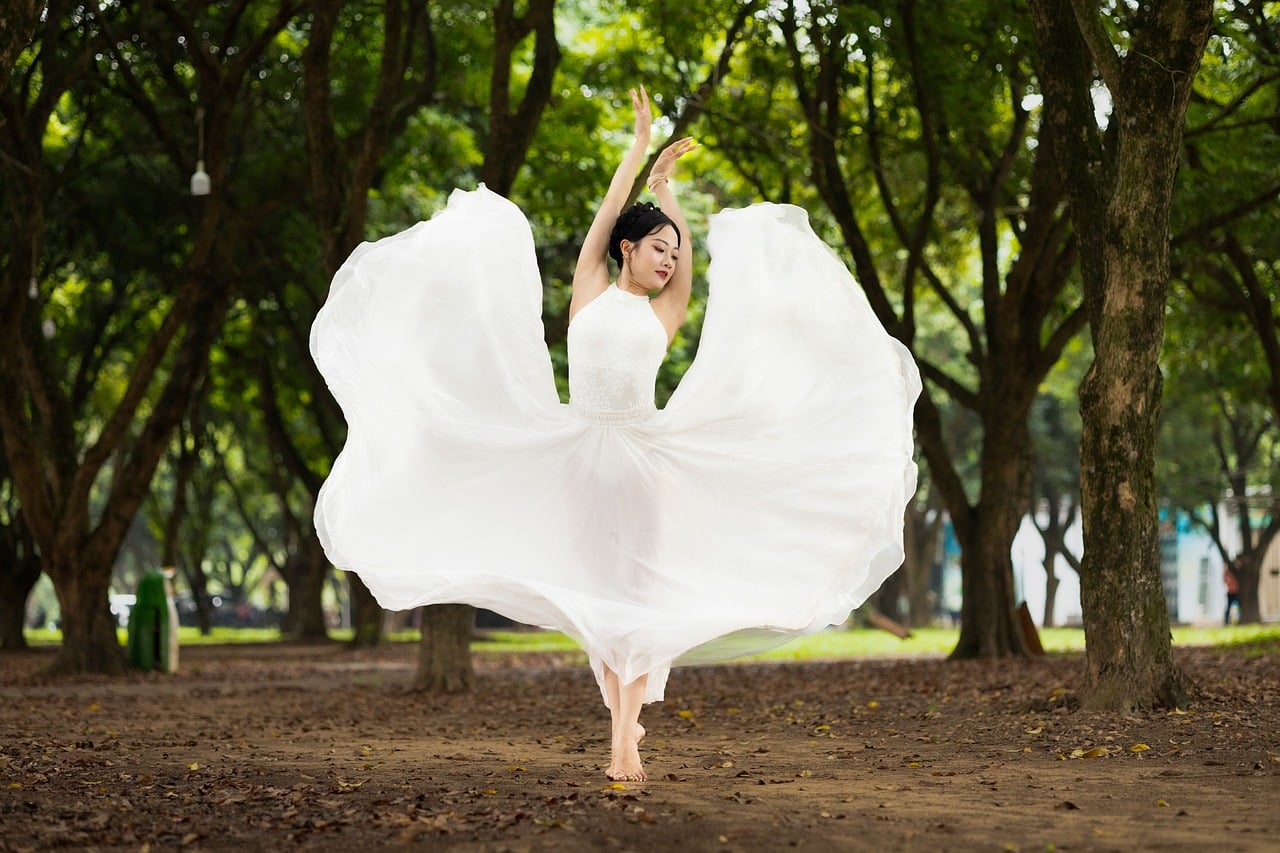
The first dance is a momentous occasion, a lifetime memory in the making. Yet, for many couples, the prospect of dancing in front of loved ones can be nerve-wracking. The butterflies in the stomach, the fear of forgetting steps, the worry about performance anxiety - these are common challenges that can make the special day less enjoyable. First dance lessons Toronto offer a solution to these jangled nerves. By providing expert guidance and tailored support, these lessons empower couples to transform their initial apprehension into confident performances, ensuring their first dance is seamless, emotional, and truly memorable.
- Nerve Function and Dance: The Initial Connection
- Mastering Movement: Nerves and Technique
- First Dance Lessons Toronto: Nerve-Calming Strategies
Nerve Function and Dance: The Initial Connection
The moment you step onto the dance floor, your nerves kick into gear, and this is the very foundation of your first dance experience. Understanding how nerves affect your performance is crucial, especially in a significant moment like your first dance at a special event in Toronto, be it at the iconic Boardwalk or a romantic setting near St. Lawrence Market. The initial connection between you and your dance partner is a delicate interplay of physical and emotional responses, all guided by your nervous system.
When you begin, your body might feel rigid and your mind racing, a common reaction to the pressure of performance. The nervous system, designed to protect and prepare us, triggers the release of adrenaline and other chemicals, increasing heart rate and breathing. In the context of first dance lessons Toronto, instructors like Sarah Jones from Beach Ballroom play a vital role in guiding learners through these initial jitters. Through personalized coaching and tailored practice routines, they help students understand and manage these nerves, ensuring a more relaxed and enjoyable experience.
The good news is, these initial jitters can transform into excitement and joy as you progress. With consistent practice, many students find that their first dance becomes a highlight of the event, not despite, but because of the nerves. Learning basic dance steps and mastering them can be surprisingly empowering, allowing you to embrace the moment and connect with your partner, creating a memorable dance that transcends the physical.
Mastering Movement: Nerves and Technique

Nerves play a pivotal role in how you perform any dance, especially your first dance as a couple. As you prepare for this significant moment, understanding how nerves impact your physical execution is crucial. This insight is especially vital for couples considering first dance lessons in Toronto, such as those at the renowned dance studios in the Distillery District or Rosedale, like the Windsor Arms.
Mastering movement during your first dance requires a delicate balance between confidence and calmness. Nerves can be a double-edged sword. On one hand, they can enhance your focus and energy, making your performance more dynamic. On the other hand, excessive anxiety can lead to muscle tension, affecting your coordination and timing. The key is to channel your nerves into focused energy. This can be achieved through consistent practice and a structured learning process.
At dance studios like 1501 Queen Street East in Toronto, expert instructors guide couples through a progressive learning curve, building their skills step by step. This method not only ensures a solid technique but also allows for ample opportunity to overcome performance jitters. Regular home practice routines, combined with online dance tutorials, can further enhance this learning experience. By the time the big day arrives, you'll be well-prepared to execute your dance with confidence, turning what could be a nerve-racking moment into a beautiful and memorable performance.
First Dance Lessons Toronto: Nerve-Calming Strategies

Nerves can be a powerful force on the day of your first dance, whether it's at a wedding, vow renewal, or a special celebration. For many, the prospect of dancing in front of friends and family can evoke a mix of excitement and performance anxiety, especially if it's your first time. This is where professional first dance lessons Toronto come into play, offering a strategic approach to managing those nerves and turning your first dance into a memorable moment.
At studios like Beach Ballroom in the heart of Toronto (M4L 1E4), instructors are experts in calming pre-performance jitters. They employ various techniques to help couples feel more at ease, such as breaking down complex steps into manageable chunks, focusing on connection and body language, and providing personalized coaching. They might start with simple, slow waltzes or foxtrots, allowing dancers to build confidence and synchronization before advancing to more challenging routines. By the time the big moment arrives, the nerves often transform into a palpable sense of joy and connection, making the dance more meaningful.
Instructors at Beach Ballroom also understand the unique challenges of different locations. First dance lessons in Pape Village or East York, for instance, cater to the specific needs of couples who may be dancing in smaller, more intimate spaces. They emphasize adaptability, ensuring that each dance is tailored to the venue and the couple's comfort level. This personalized approach, combined with the comfort of knowing you're in capable hands, can significantly reduce performance anxiety. Whether you're practicing at home or taking lessons at the studio, incorporating these strategies can make your first dance in Toronto a seamless, enjoyable, and unforgettable experience.
Frequently Asked Questions About How Nerves Change the Dance on the Day
What is the role of nerves in dancing?
Nerves play a crucial role in dancing by transmitting signals between the brain and muscles. They enable you to interpret music, coordinate movements, and execute dance steps with grace and precision. Without nerves, the body wouldn't be able to translate the brain's intentions into the complex series of movements required for dance.
How do nerves affect my ability to learn new dance moves?
Nerves facilitate learning by allowing your brain to process and adapt to new movements. As you practice, nerve impulses strengthen specific pathways, making it easier to perform a dance step. This process is similar to how you learn any new skill-repeated practice reinforces nerve connections, leading to improved performance and muscle memory.
Can stress impact nerve function during dancing?
Absolutely. Prolonged stress can negatively affect nerve function. When stressed, the body releases cortisol, which can impair nerve signaling and reduce overall cognitive function. This may result in difficulties focusing, remembering steps, and executing moves smoothly. Managing stress through techniques like deep breathing, meditation, or proper warm-up exercises can help maintain optimal nerve function for dancing.
Do nerves explain why some dancers seem more graceful?
While gracefulness is influenced by various factors, nerve efficiency plays a significant role. Dancers with well-developed neural pathways often exhibit smoother, more fluid movements. They've cultivated a deep understanding of body mechanics and can anticipate movements, allowing them to dance with less conscious effort and more natural flow.
Can dance training improve nerve health?
Yes, dance training can contribute to overall nerve health. Regular physical activity, like dancing, promotes blood flow to the peripheral nerves, aiding in nutrient delivery and waste removal. The repetitive and precise movements in dance can help strengthen nerve connections, enhancing their overall performance and resilience.
As we've explored the intricate relationship between nerves and dance, several key insights emerge. First, understanding nerve function reveals how crucial the initial connection is, setting the stage for a dancer's performance. Mastering movement isn't just about technique; it involves calming and engaging the nervous system to ensure precise, fluid actions. In the context of first dance lessons Toronto, these principles are invaluable. By employing specific nerve-calming strategies, students can reduce performance anxiety and enhance their ability to connect with the music and their partner.
Practical steps include incorporating regular home practice routines, utilizing online dance tutorials for guided sessions, and focusing on the emotional significance of the dance, rather than just the steps. For those preparing for a special event like a vow renewal ceremony or a loft wedding, scheduling flexible lessons during the week or even evening classes can help manage time and reduce pre-event jitters.
The ultimate goal is to harness the power of nerves, not let them control the dance. With these strategies in mind, dancers in Toronto can confidently step onto the dance floor, enjoying the experience and making memories that resonate far beyond the final bow.
Nerves are integral to your first dance experience, affecting your performance from the initial connection to your partner to the final execution of steps. In Toronto, first dance lessons from studios like Beach Ballroom guide couples through these nerves, transforming them into excitement and joy. Instructors use personalized coaching and tailored practice routines to ensure a relaxed, enjoyable, and memorable dance. By understanding how nerves impact your physical execution and employing strategic techniques, you can turn what may seem nerve-racking into a beautiful performance, making your first dance in Toronto a significant moment.